
National Kidney Month: Protecting Your Kidney Health Through Preventive Care and Early Detection
March is National Kidney Month, a time dedicated to raising awareness about kidney health, chronic kidney disease (CKD), and the importance of early detection through routine primary care. Your kidneys play a critical role in maintaining overall health, yet kidney disease often develops silently, without noticeable symptoms in its early stages.
At our internal medicine practice, we focus on prevent
ive care, chronic disease management, and early intervention — all of which are essential in protecting your kidney function. Understanding the warning signs, risk factors, and lifestyle strategies can help reduce your risk of kidney disease and improve long-term health outcomes.
Why Your Kidneys Matter More Than You Think
The kidneys are two bean-shaped organs located in the lower back, just below the rib cage. Though small in size, they perform vital functions that affect nearly every system in your body.
Your kidneys:
-
Filter waste products and excess fluids from the blood
-
Regulate blood pressure
-
Balance electrolytes (sodium, potassium, calcium)
-
Support red blood cell production
-
Maintain bone health
-
Help regulate acid levels in the body
When kidney function declines, toxins and fluid can accumulate in the body, leading to serious health complications.
What Is Chronic Kidney Disease (CKD)?
Chronic Kidney Disease (CKD) occurs when the kidneys gradually lose their ability to filter waste and excess fluid from the blood. CKD typically develops over months or years.
According to national health data, millions of adults in the United States have CKD — and many do not know it.
CKD is classified into five stages based on the glomerular filtration rate (GFR), a measurement of kidney function:
-
Stage 1: Normal kidney function but evidence of kidney damage
-
Stage 2: Mild reduction in kidney function
-
Stage 3: Moderate reduction
-
Stage 4: Severe reduction
-
Stage 5: Kidney failure (end-stage renal disease)
Early detection can slow or even prevent progression to advanced stages.
Why National Kidney Month Is Important
National Kidney Month serves as a reminder that kidney disease often has no symptoms in its early stages. Many patients only discover a problem during routine bloodwork ordered by their primary care provider.
Awareness helps patients:
-
Understand their personal risk factors
-
Schedule preventive screenings
-
Manage chronic conditions proactively
-
Make lifestyle changes to protect kidney health
Preventive care is the cornerstone of internal medicine — and kidney disease prevention is one of its most important goals.
Who Is at Risk for Kidney Disease?
Certain medical conditions and lifestyle factors significantly increase the risk of chronic kidney disease.
1. High Blood Pressure (Hypertension)
Hypertension is one of the leading causes of kidney disease. Elevated blood pressure damages blood vessels in the kidneys, reducing their ability to function properly.
Uncontrolled hypertension over time can permanently impair kidney function.
2. Diabetes
Diabetes is the most common cause of kidney disease. High blood sugar levels damage the small blood vessels in the kidneys, leading to diabetic nephropathy.
Patients with Type 1 or Type 2 diabetes should have regular kidney function testing.
3. Heart Disease
Cardiovascular disease and kidney disease are closely connected. Poor circulation affects kidney filtration, and kidney dysfunction increases cardiovascular risk.
4. Family History of Kidney Disease
Genetic factors can increase susceptibility.
5. Obesity
Excess weight increases strain on the kidneys and raises risk for diabetes and hypertension.
6. Smoking
Smoking reduces blood flow to the kidneys and accelerates vascular damage.
7. Age Over 60
Kidney function naturally declines with age, making screening especially important for older adults.
Early Signs and Symptoms of Kidney Disease
One of the most concerning aspects of CKD is that early stages often have no obvious symptoms. However, as kidney function declines, symptoms may include:
-
Fatigue
-
Swelling in legs, ankles, or feet
-
Frequent urination, especially at night
-
Foamy or bubbly urine
-
Blood in the urine
-
Muscle cramps
-
Persistent itching
-
Nausea or decreased appetite
-
Difficulty concentrating
If you experience these symptoms, consult your primary care provider for evaluation.
How Kidney Disease Is Diagnosed
Internal medicine physicians use simple laboratory tests to evaluate kidney health.
1. Blood Tests
-
Serum Creatinine: Measures waste product levels
-
Glomerular Filtration Rate (GFR): Estimates kidney function
2. Urine Tests
-
Urinalysis: Detects protein or blood
-
Urine Albumin-to-Creatinine Ratio (UACR): Identifies early kidney damage
3. Blood Pressure Monitoring
Since hypertension is closely linked to kidney health, monitoring blood pressure is essential.
Routine annual wellness visits often include these screenings — which is why preventive primary care is so important.
The Connection Between Hypertension and Kidney Health
High blood pressure damages kidney arteries, reducing their ability to filter blood effectively. Over time, this damage worsens, leading to progressive kidney decline.
Managing blood pressure through:
-
Low-sodium diet
-
Regular exercise
-
Weight management
-
Routine monitoring
is essential for kidney protection.
The Role of Diabetes in Kidney Disease
High blood sugar levels damage the delicate filtering units (nephrons) in the kidneys.
Effective diabetes management includes:
-
Monitoring A1C levels
-
Blood sugar control
-
Medication compliance
-
Healthy diet
-
Regular exercise
-
Routine kidney function tests
Early diabetic kidney damage can often be slowed with proper care.
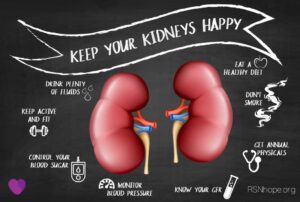
Preventive Strategies to Protect Your Kidneys
During National Kidney Month, focus on these protective steps:
Maintain Healthy Blood Pressure
Aim for blood pressure within recommended guidelines.
Control Blood Sugar
Keep A1C levels within target range.
Stay Hydrated
Adequate hydration supports kidney filtration.
Eat a Kidney-Friendly Diet
-
Limit sodium
-
Reduce processed foods
-
Choose lean proteins
-
Increase fruits and vegetables
Maintain a Healthy Weight
Weight loss reduces strain on kidneys.
Avoid Excessive NSAID Use
Overuse of certain pain medications can harm kidney function.
Exercise Regularly
Physical activity improves cardiovascular and metabolic health.
Quit Smoking
Smoking accelerates kidney and vascular damage.
Why Annual Wellness Visits Matter
Many patients discover early kidney disease during routine preventive exams. Annual physicals allow providers to:
-
Monitor lab results
-
Adjust medications
-
Identify early warning signs
-
Provide dietary counseling
-
Screen for diabetes and hypertension
Internal medicine practices specialize in comprehensive chronic disease management — making them central to kidney disease prevention.
Managing Chronic Kidney Disease
If CKD is diagnosed early, progression can often be slowed significantly.
Management may include:
-
Blood pressure medications (ACE inhibitors or ARBs)
-
Diabetes control
-
Cholesterol management
-
Sodium restriction
-
Protein intake adjustments
-
Specialist referral when necessary
Early management improves long-term outcomes and reduces risk of dialysis.
When to See an Internal Medicine Physician
You should schedule an evaluation if you:
-
Have diabetes or high blood pressure
-
Have a family history of kidney disease
-
Experience swelling or urinary changes
-
Have abnormal lab results
-
Are over age 60
-
Have heart disease
Proactive screening can prevent serious complications.
The Importance of Early Detection
Kidney disease often progresses quietly. By the time symptoms appear, significant damage may already have occurred.
Early detection through routine primary care screening can:
-
Prevent progression
-
Reduce cardiovascular risk
-
Avoid dialysis
-
Improve quality of life
National Kidney Month reminds us that prevention starts with awareness — and awareness begins with regular medical care.
Frequently Asked Questions About Kidney Health
Can kidney disease be reversed?
In early stages, damage may be slowed or stabilized. Advanced damage is usually permanent.
How often should kidney function be tested?
Patients with diabetes or hypertension should be tested at least annually.
Is kidney disease hereditary?
Some forms are genetic, but lifestyle factors also play a significant role.
Does drinking more water prevent kidney disease?
Hydration supports kidney function, but underlying conditions must also be managed.
Take Action During National Kidney Month
Protecting your kidney health starts with preventive care. If you have risk factors such as diabetes, hypertension, or a family history of kidney disease, scheduling a comprehensive internal medicine evaluation is one of the most important steps you can take.
National Kidney Month is a reminder to prioritize routine health screenings, maintain chronic disease control, and make lifestyle choices that support long-term wellness.
Your kidneys work silently every day to protect your health — make sure you’re protecting them too.
About the Author: PHC Marketing Team

