
How Stress Impacts Your Health: Signs, Risks, and When to See a Doctor
🧠 What Happens to Your Body During Stress?
Managing stress is essential for maintaining overall health and well-being. While stress is a natural response to challenges, ongoing stress can have a significant impact on both your physical and mental health.
Regularly practicing managing stress techniques can lead to a more balanced life.
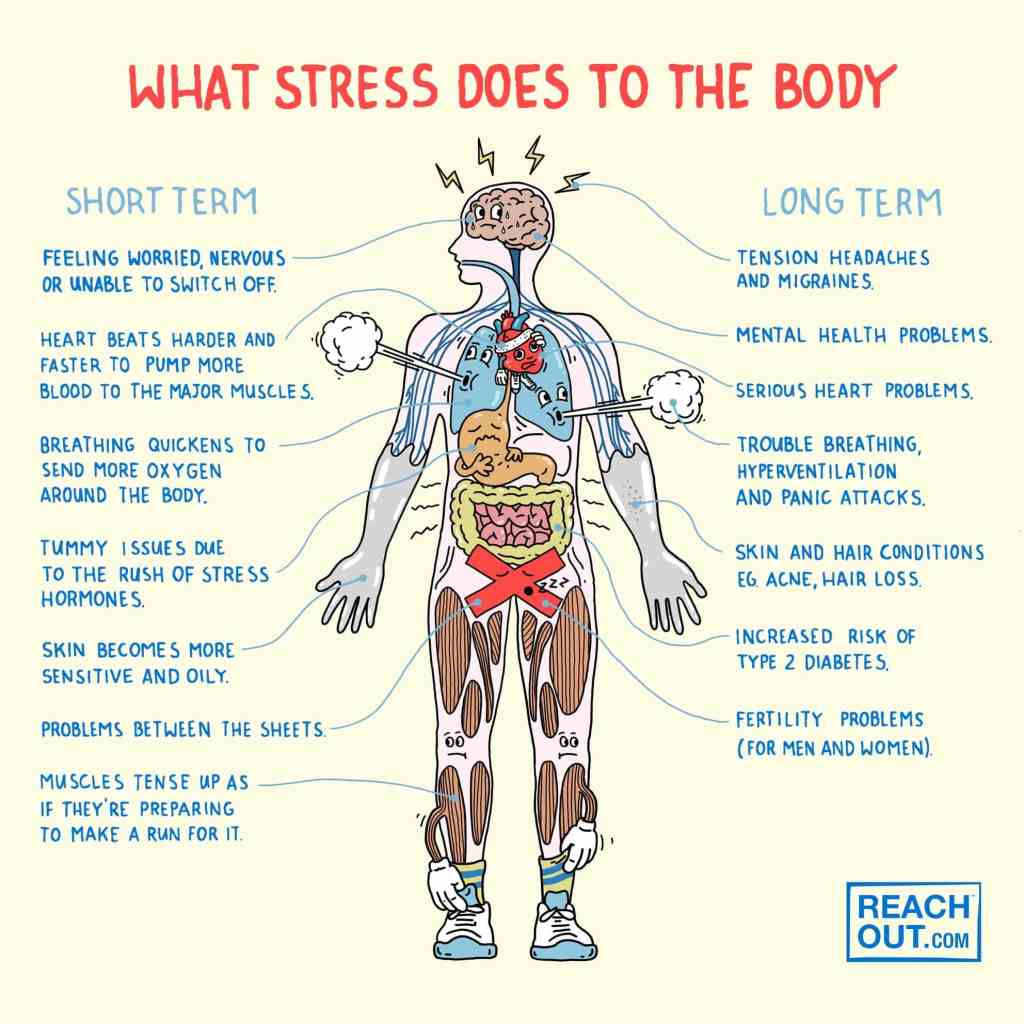
When you experience stress, your body activates what is known as the “fight or flight” response. This is a built-in survival mechanism designed to help you react quickly to potential danger. During this response, hormones such as cortisol and adrenaline are released into the bloodstream. These hormones increase your heart rate, elevate your blood pressure, and boost your energy levels.
Being aware of how managing stress affects your body prepares you for better health outcomes.
In short bursts, this response is beneficial. It can sharpen your focus, improve performance, and help you navigate stressful situations effectively. However, when stress becomes chronic—meaning it persists over a long period—your body remains in a constant state of alert. Over time, this can begin to negatively affect multiple systems in your body.
Long-term managing stress techniques can prevent chronic health issues from developing.
Short-Term Effects of Stress
Short-term stress responses are usually temporary and may include:
- Increased heart rate
- Elevated blood pressure
- Rapid breathing
- Muscle tension
- Heightened alertness and focus
These symptoms typically subside once the stressful situation passes. However, repeated exposure to stress can lead to more serious concerns.
Long-Term Effects of Chronic Stress
Chronic stress can contribute to:
- Persistent fatigue
- Weakened immune function
- Frequent headaches
- Digestive problems
- Sleep disturbances
- Increased risk of chronic disease
Understanding how stress affects your body is the first step toward taking control of your health.
Implementing effective managing stress practices will improve your overall well-being.
⚠️ Common Signs That Stress Is Affecting Your Health
Understanding the signs of managing stress can help you maintain your mental health.
Stress does not always present itself as emotional overwhelm. In many cases, it shows up as physical symptoms that people do not immediately associate with stress.
Many patients visit their healthcare provider for symptoms such as headaches or stomach discomfort, only to discover that stress is a contributing factor.
Warning Signs to Watch For:
- Frequent headaches or migraines
- Chest tightness or heart palpitations
- Stomach pain, nausea, or digestive issues
- Difficulty sleeping or insomnia
- Irritability or mood changes
- Difficulty concentrating or “brain fog”
- Unexplained fatigue or low energy
These symptoms can vary in severity, but if they occur regularly, they should not be ignored.
If you recognize any of these signs, it may be time to schedule a checkup and discuss your symptoms with a healthcare provider.
❤️ The Link Between Stress and Chronic Conditions
Chronic stress is not just uncomfortable—it can increase your risk of developing serious health conditions over time. The connection between stress and chronic disease is well documented, and managing stress plays a key role in preventive healthcare.
By managing stress effectively, you can significantly reduce health risks associated with chronic conditions.
High Blood Pressure (Hypertension)
Stress can cause temporary spikes in blood pressure. While occasional increases may not be harmful, repeated spikes can contribute to long-term hypertension. This condition increases the risk of heart attack, stroke, and other cardiovascular complications.
Managing stress is crucial for the prevention of high blood pressure and heart-related issues.
Heart Disease
Chronic stress places strain on the heart and blood vessels. It can lead to inflammation, increased heart rate, and unhealthy lifestyle habits such as poor diet and lack of exercise. Over time, these factors can significantly increase the risk of heart disease.
Diabetes
Stress hormones can interfere with the body’s ability to regulate blood sugar levels. For individuals with diabetes, stress can make blood sugar harder to control and may lead to complications if not managed properly.
Learning about managing stress can help you control blood sugar levels more efficiently.
Digestive Disorders
The digestive system is highly sensitive to stress. Conditions such as irritable bowel syndrome (IBS), acid reflux, and stomach ulcers are often worsened by stress. Many patients experience flare-ups during periods of high stress.
Managing stress can improve digestive health and alleviate symptoms like IBS.
🦵 Can Stress Affect Your Circulation and Vein Health?
Stress can also impact your vascular system, affecting circulation and vein health.
Improving circulation can be achieved through effective managing stress methods.
When stress becomes chronic, it may:
- Constrict blood vessels
- Reduce efficient blood flow
- Increase inflammation
These effects can contribute to symptoms such as:
- Leg swelling
- Aching or heaviness in the legs
- Fatigue after prolonged standing or sitting
For individuals at risk of vein conditions, stress may worsen existing symptoms. If you are experiencing these issues, it is important to seek medical evaluation.
The Vein Institute of Pinellas provides specialized care for vein and circulation concerns and can help determine the underlying cause of your symptoms.
🧘♂️ Simple Ways to Reduce Stress and Improve Your Health
Managing stress does not require major life changes. Small, consistent adjustments can make a significant difference in how your body responds to stress.
Incorporating managing stress activities into your routine can enhance physical health.
1. Stay Physically Active
Exercise is one of the most effective ways to reduce stress. Physical activity helps lower stress hormones and releases endorphins, which improve mood and energy levels. Even light activities like walking can have a positive impact.
2. Prioritize Sleep
Quality sleep is essential for recovery and overall health. Aim for 7–9 hours of sleep each night. Establishing a consistent sleep routine can help regulate your body’s natural rhythms.
3. Practice Mindfulness
Mindfulness techniques such as meditation, deep breathing, or quiet reflection can help calm your nervous system. These practices are simple but effective ways to manage daily stress.
4. Maintain a Healthy Diet
Nutrition plays a key role in how your body handles stress. A balanced diet rich in whole foods, fruits, vegetables, and lean proteins can support your overall well-being. Limiting caffeine and processed foods can also help reduce stress symptoms.
Managing stress through a nutritious diet plays a key role in overall wellness.
5. Stay Connected
Social support is important for emotional health. Talking with friends, family, or a healthcare provider can help you process stress and feel more supported.
Talking about managing stress with friends can provide valuable support and relief.
🩺 When Should You See a Doctor for Stress?
It is important to know when stress has reached a level that requires medical attention.
You should consider seeing a doctor if:
- Stress is affecting your daily life
- You are experiencing physical symptoms such as chest pain or severe headaches
- Sleep problems persist over time
- You feel overwhelmed, anxious, or depressed
- Existing health conditions are worsening
At Professional Health Care of Pinellas, providers take a comprehensive approach to care. Rather than treating symptoms alone, they work to identify underlying causes—including stress—and develop a personalized treatment plan.
🏥 How We Can Help at PHC of Pinellas
Managing stress is an important part of maintaining long-term health. At Professional Health Care of Pinellas, patients receive individualized care focused on prevention, early detection, and overall wellness.
At Professional Health Care of Pinellas, managing stress is a vital part of our patient care approach.
Services Include:
- Preventive care and routine checkups
- Blood pressure monitoring
- Heart health evaluations
- Lab testing and screenings
- Chronic disease management
- Lifestyle and wellness counseling
If necessary, care can be coordinated with specialists to ensure a comprehensive approach to your health.
📍 Convenient Care Across Pinellas County
Access to quality healthcare should be simple and convenient. Professional Health Care of Pinellas serves patients across multiple locations, making it easy to receive care close to home.
Whether you are experiencing symptoms or simply due for a checkup, taking action early can make a significant difference in your health.
👉 Learn more: https://www.phcpinellas.com
📞 Take Control of Your Health Today
Stress may be common, but it should not be ignored. Addressing stress early can help prevent more serious health issues and improve your overall quality of life.
Recognizing the importance of managing stress can lead to a more fulfilling life.
If you have been experiencing symptoms or have not had a recent checkup, now is the time to take action especially during National Stress Awareness Month.
📞 Call today: 727-322-1054
💻 Book online: https://healow.com/apps/practice/professional-health-care-of-pinellas-inc-984
🔑 Final Thoughts
Stress affects more than just your mood, it impacts your heart, digestion, circulation, and immune system. Recognizing the signs early and taking proactive steps can help you stay healthy and avoid long-term complications.
By making small lifestyle changes and working with your healthcare provider, you can better manage stress and improve your overall well-being.
At Professional Health Care of Pinellas, the goal is to support patients at every step, whether through preventive care, symptom evaluation, or ongoing health management.
We help patients understand the significance of managing stress in achieving better health.
About the Author: PHC Marketing Team

