In August, we celebrate National Immunization Awareness Month Florida, highlighting the importance of vaccination for everyone.
National Immunization Awareness Month Florida is a crucial time for raising awareness about vaccination benefits and encouraging community involvement.
National Immunization Awareness Month Florida encourages families to prioritize their vaccinations.
During National Immunization Awareness Month Florida, families are reminded of the importance of ensuring their vaccinations are current.
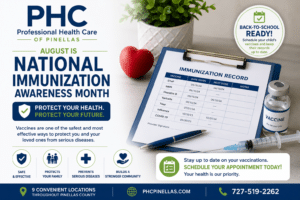
PHC Vaccine record
A Comprehensive Guide to Back-to-School and Lifelong Vaccination for Florida Families
As we celebrate National Immunization Awareness Month Florida, it’s vital for families to discuss vaccination history and future needs.
Celebrating National Immunization Awareness Month Florida
During National Immunization Awareness Month Florida, local health departments provide resources to help families.
National Immunization Awareness Month Florida serves as a reminder that vaccination is essential for all ages, not just children.
Every August, we observe National Immunization Awareness Month Florida, which reminds us that vaccination is not only a childhood issue but a lifelong necessity for health. Vaccines are an important part of preventive healthcare throughout every stage of life—from infancy and school age to adulthood, pregnancy and the senior years.
During National Immunization Awareness Month Florida, we emphasize that vaccination is crucial for all ages, not just children.
During National Immunization Awareness Month Florida, it’s recommended to review vaccination records and consult with healthcare providers.
Parents should engage in discussions about the relevance of National Immunization Awareness Month Florida during their pediatric visits.
The observance encourages individuals and families to review their vaccination records, ask questions and speak with a trusted healthcare provider about whether they are up to date. Vaccination can help protect individuals from serious illnesses while also reducing the opportunity for certain diseases to spread within families, schools, workplaces and communities.
As we approach National Immunization Awareness Month Florida, it’s an ideal time for families to engage in discussions about vaccination.
It is crucial for Floridians to take advantage of National Immunization Awareness Month Florida to assess their vaccination needs.
For Florida families, August is an especially convenient time for this conversation. Parents are preparing children for a new school year, college students may be completing entrance requirements, and adults can use the occasion to review vaccinations that may have been missed or delayed.
National Immunization Awareness Month Florida highlights the critical need for community education on vaccine-preventable diseases.
This observance serves as a reminder for families in Florida to prioritize their vaccinations during National Immunization Awareness Month Florida, ensuring everyone is protected as they head back to school.
National Immunization Awareness Month Florida serves as a reminder for families to ensure vaccinations are up to date.
At Professional Health Care of Pinellas, we encourage patients throughout Pinellas County to make immunization review part of their regular preventive care, especially during National Immunization Awareness Month Florida.
Utilizing resources during National Immunization Awareness Month Florida can help families make informed decisions about vaccinations.
Why National Immunization Awareness Month Matters
Understanding the significance of National Immunization Awareness Month Florida can lead to healthier communities.
National Immunization Awareness Month Florida highlights the critical importance of vaccinations across all ages.
Vaccines prepare the immune system to recognize and respond to specific infections. Immunization can significantly reduce a person’s likelihood of becoming seriously ill, requiring hospitalization or dying from certain vaccine-preventable diseases. It can also help slow the spread of illness and provide added protection for people who are more vulnerable to complications.
National Immunization Awareness Month Florida also underscores the importance of proactive health measures in preventing illness.
During National Immunization Awareness Month Florida, we must address any misinformation regarding vaccines.
Although some vaccine-preventable illnesses are no longer seen as frequently as they once were, they have not necessarily disappeared. International travel, missed vaccinations and declining community protection can create opportunities for illnesses to return or spread.
National Immunization Awareness Month is therefore not only about receiving a vaccine. It is an opportunity to:
National Immunization Awareness Month Florida encourages proactive health measures for the whole family.
-
-
- Locate and organize vaccination records.
Participating in National Immunization Awareness Month Florida can lead to better health outcomes for individuals and communities.
- Review school and childcare requirements.
-
Many resources are available throughout National Immunization Awareness Month Florida for families seeking vaccination education.
Engaging in discussions during National Immunization Awareness Month Florida fosters a culture of health awareness.
-
- Discuss age-appropriate vaccinations.
- Identify vaccines that may be needed because of a chronic condition.
National Immunization Awareness Month Florida promotes essential conversations about vaccine safety and efficacy.
As National Immunization Awareness Month Florida approaches, families should prioritize vaccination discussions with healthcare providers.
-
- Prepare for the upcoming respiratory illness season.
- Ask questions about vaccine benefits, precautions and possible side effects.
As part of National Immunization Awareness Month Florida, clinics may offer extended hours for vaccination services.
Taking part in activities for National Immunization Awareness Month Florida encourages community participation in health initiatives.
- Create a personalized preventive-care plan with a healthcare provider.
Vaccination decisions should be based on a person’s age, medical history, previous vaccinations, allergies, pregnancy status, occupation, travel plans and individual risk factors. Because recommendations can be updated, patients should rely on current guidance and a personalized conversation with a qualified healthcare professional.
Participating in National Immunization Awareness Month Florida can help individuals understand their health better.
Every August, National Immunization Awareness Month Florida inspires families to take charge of their health through vaccinations.
Back-to-School Immunizations for Florida Children
Back-to-school season is one of the most common reasons families review immunization records. Florida schools require specific health and immunization documentation for student enrollment and attendance.
The goal of National Immunization Awareness Month Florida is to increase community awareness about vaccinations.
National Immunization Awareness Month Florida is an ideal moment to reflect on the importance of vaccinations throughout life.
The Florida Certification of Immunization, commonly known as Form DH 680, is used to document the vaccinations required for Florida schools, childcare facilities and family daycare homes. The form must be completed by an authorized Florida healthcare professional or county health department.
Parents should avoid waiting until the final days before school begins. Records may need to be located, transferred from another state, reviewed by a provider or updated before the form can be completed.
National Immunization Awareness Month Florida can be an excellent opportunity for families to schedule check-ups.
Children entering seventh grade in Florida must also meet an additional Tdap vaccination requirement along with the other applicable school requirements. Tdap helps protect against tetanus, diphtheria and pertussis, also known as whooping cough.
During National Immunization Awareness Month Florida, local health departments often provide valuable resources for families.
A back-to-school immunization appointment may also provide an opportunity to review other important health needs, including:
During National Immunization Awareness Month Florida, it is vital to highlight the convenience of local vaccination sites.
-
-
- Annual wellness examinations.
- Sports or school physicals.
As a community, National Immunization Awareness Month Florida encourages collective effort toward improving public health.
-
Many adults may not realize that National Immunization Awareness Month Florida also serves their needs.
-
-
- Medication forms.
- Asthma or allergy action plans.
National Immunization Awareness Month Florida promotes educational initiatives to ensure everyone is informed about vaccination needs.
-
For adults, National Immunization Awareness Month Florida highlights the importance of staying informed about vaccinations.
-
- Vision and hearing concerns.
- Nutrition and healthy-weight counseling.
Healthcare providers often recommend reviewing immunization history during National Immunization Awareness Month Florida.
Taking advantage of National Immunization Awareness Month Florida can help families stay healthy and compliant with vaccination schedules.
-
-
- Sleep habits.
- Emotional and behavioral health.
Ultimately, National Immunization Awareness Month Florida highlights the significance of vaccinations across all demographics.
-
Participating in National Immunization Awareness Month Florida can lead to increased vaccination rates in communities.
- Management of chronic conditions.
School requirements represent the minimum documentation needed for attendance. A child’s healthcare provider may recommend additional protection based on the child’s age, health history, previous vaccinations or risk of exposure.
Participation in National Immunization Awareness Month Florida is essential for fostering community dialogue on health issues.
National Immunization Awareness Month Florida encourages families to celebrate health through vaccinations.
What Happens When Childhood Vaccines Are Delayed?
Families sometimes fall behind because of relocation, loss of insurance, difficulty finding records, illness, scheduling problems or other life circumstances. Parents may worry that a delayed vaccine series must be completely restarted.
As we talk about issues like vaccine hesitancy, National Immunization Awareness Month Florida offers valuable insights.
As we reflect on our health during National Immunization Awareness Month Florida, let’s commit to staying informed and proactive.
In many situations, a vaccine series does not need to be restarted simply because more time has passed than originally planned. A healthcare provider can use an appropriate catch-up schedule to determine which doses are still needed and the correct intervals between them.
Parents should bring every available record to the appointment, including:
For many families, National Immunization Awareness Month Florida is a chance to start new health routines.
-
-
- Previous pediatric records.
National Immunization Awareness Month Florida serves as a powerful reminder of the need for continuous health education and awareness.
- School immunization documents.
-
As discussions arise regarding vaccinations, remembering National Immunization Awareness Month Florida is crucial.
-
-
- Pharmacy vaccination records.
- Records from another state or country.
National Immunization Awareness Month Florida encourages everyone to participate actively in their health decisions.
-
Local health initiatives are often heightened during National Immunization Awareness Month Florida.
-
- Printed or electronic patient-portal records.
- Military or employer health records, when applicable.
As a result, National Immunization Awareness Month Florida can improve overall community health.
In conclusion, National Immunization Awareness Month Florida is a vital observance that can lead to improved community wellness.
Do not assume that a child is fully vaccinated based only on school attendance. Requirements, medical recommendations and individual circumstances are not always identical. A provider should review the complete record.
Vaccination Is Not Just for Children
Every August, National Immunization Awareness Month Florida serves as a vital reminder for immunizations.
Many adults believe that vaccinations end after childhood. In reality, immunity to certain diseases may decrease over time, new vaccines may become available, and adults can develop health conditions that increase their risk of serious complications.
Adult vaccination recommendations vary according to age, previous vaccination history, medical conditions, pregnancy, occupation, travel and other factors. Common adult vaccination discussions may include influenza, tetanus and pertussis boosters, shingles, pneumococcal disease, hepatitis, HPV and protection against respiratory illnesses.
Health professionals often emphasize education during National Immunization Awareness Month Florida to combat misinformation.
An adult preventive-care visit is a good time to ask:
-
- When was my last tetanus or Tdap vaccination?
National Immunization Awareness Month Florida is essential for fostering a healthier future for all.
-
- Should I receive a yearly influenza vaccine?
- Am I eligible for shingles vaccination?
During this month, we aim to unite around National Immunization Awareness Month Florida to advocate for health.
-
- Do my health conditions affect which vaccines I need?
- Did I complete my hepatitis or HPV vaccine series?
As we conclude National Immunization Awareness Month Florida, let’s remain vigilant about the health of our communities.
-
- Are any vaccinations recommended for my occupation?
- Do I need travel vaccines?
Ultimately, National Immunization Awareness Month Florida is all about protecting ourselves and each other.
- Are there seasonal respiratory vaccines I should discuss?
- Are there vaccines I should avoid because of an allergy or medical condition?
Adults should not receive vaccines solely based on an online checklist. A clinician should first review previous doses, medical conditions, medications and possible contraindications.
Vaccinations for Older Adults
As people age, changes in the immune system can make certain infections more serious. Older adults may also be more likely to have diabetes, heart disease, chronic lung disease, kidney disease or other conditions that increase the likelihood of complications.
Vaccinations commonly reviewed for older adults include protection against influenza, shingles, pneumococcal disease, tetanus and selected respiratory illnesses. Exact recommendations depend on age, medical history, previously received vaccines and current clinical guidance.
Family members and caregivers can help by:
- Keeping an updated medication and vaccination list.
- Bringing records to medical appointments.
- Asking whether a new diagnosis changes vaccine recommendations.
- Discussing vaccines before a planned surgery or medical treatment.
- Reviewing recommendations before travel.
- Scheduling preventive appointments before respiratory illness activity increases.
Vaccination can be especially important for people living in assisted-living communities or other environments where infections can spread quickly. However, every recommendation should still be personalized.
Vaccines and Chronic Medical Conditions
People with chronic medical conditions may face a higher risk of severe complications from certain infections. This can include patients with heart disease, asthma, chronic obstructive pulmonary disease, diabetes, kidney disease, liver disease, cancer or a weakened immune system.
At the same time, some vaccines may require additional precautions for people who are immunocompromised or receiving certain medications. Patients should tell their provider about:
- Cancer treatment.
- Organ transplantation.
- Immune-suppressing medications.
- Long-term steroid treatment.
- Previous severe allergic reactions.
- Recent blood products or transfusions.
- Current illness or fever.
- Previous reactions following vaccination.
- Planned surgery or medical procedures.
Never stop a prescribed medication to receive a vaccine unless the prescribing healthcare professional specifically instructs you to do so.
Vaccination During Pregnancy
Pregnancy changes the immune system, heart and lungs, which can increase the risk of serious complications from certain infections. Vaccination during pregnancy may also provide protection to the baby during the first months of life.
Recommendations depend on the vaccine, stage of pregnancy, time of year, medical history and individual risk. Influenza and Tdap are among the vaccines commonly discussed during pregnancy, while maternal RSV vaccination may be considered during a specific seasonal and pregnancy window.
Anyone who is pregnant, planning a pregnancy or breastfeeding should tell the healthcare provider before receiving a vaccine. Certain vaccines may be recommended before pregnancy, while others should be delayed until after delivery.
Some Vaccines Help Prevent Cancer
Vaccination is often associated with preventing short-term infectious illnesses, but some vaccines also help prevent infections that can eventually lead to cancer.
The HPV vaccine protects against types of human papillomavirus that can cause cervical, vaginal, vulvar, penile, anal and certain throat cancers. Hepatitis B vaccination can help prevent chronic hepatitis B infection and reduce the associated risk of liver damage and liver cancer.
HPV vaccination works best before exposure to the virus. However, eligibility and catch-up recommendations depend on age and previous vaccination history. Parents, teenagers and adults who are uncertain whether the HPV series was started or completed should discuss the record with a healthcare provider.
This is an important reminder that preventive medicine is not limited to screenings. Vaccination, healthy lifestyle choices and recommended cancer screenings can work together as part of a long-term prevention plan.
Are Vaccines Safe?
Vaccines used in the United States undergo safety evaluation, and safety monitoring continues after authorization or approval. Like any medication, a vaccine can cause side effects.
Common reactions may include soreness, redness or swelling at the injection site, fatigue, headache, mild fever or muscle aches. These reactions are generally temporary. Severe allergic reactions can occur, but they are considered rare.
Before vaccination, tell the healthcare professional about:
- Medication or food allergies.
- Previous vaccine reactions.
- Pregnancy or possible pregnancy.
- A weakened immune system.
- Current illness.
- Recent vaccinations.
- Fainting after injections.
- Current medications and supplements.
Patients should seek immediate emergency assistance for symptoms of a severe allergic reaction, such as difficulty breathing, swelling of the face or throat, widespread hives, severe dizziness or weakness.
Questions and concerns deserve a respectful, evidence-based discussion. Patients should feel comfortable asking what a vaccine protects against, why it is being recommended, what side effects may occur and whether there are alternatives or precautions relevant to their health.
How to Find Missing Immunization Records
Missing records are common, especially among adults who have changed doctors, moved between states or received vaccines at several pharmacies and clinics.
Begin by contacting:
- Current and previous healthcare providers.
- Pharmacies where vaccines may have been administered.
- Former schools, colleges or universities.
- Previous employers or occupational-health departments.
- Military health services, when applicable.
- The state immunization registry.
Florida uses Florida SHOTS, the statewide immunization information system. Participating providers use it to help maintain vaccination information and produce records when available. However, older vaccinations or vaccinations administered outside Florida may not always appear in the registry.
Once records are located, keep a personal copy. Bring it to medical visits and ask for each new vaccine to be documented. Adults should maintain their own records rather than assuming that every dose will automatically appear in every healthcare system.
Your August Immunization Checklist
Use National Immunization Awareness Month to complete these practical steps:
For parents
- Locate each child’s immunization record.
- Confirm whether a DH 680 form is needed.
- Review seventh-grade Tdap requirements.
- Schedule school or sports physicals early.
- Ask about catch-up vaccinations.
- Discuss HPV vaccination and other age-appropriate preventive care.
For adults
- Review the date of your last tetanus or Tdap dose.
- Ask whether you need influenza, shingles, pneumococcal, hepatitis or other vaccines.
- Discuss risks related to chronic health conditions.
- Check requirements before international travel.
- Keep a personal vaccination record.
For older adults and caregivers
- Bring vaccination records to preventive-care visits.
- Review recommendations after a new diagnosis.
- Ask about protection before respiratory illness season.
- Discuss vaccine timing around medical treatments or procedures.
For pregnant patients
- Tell every provider that you are pregnant.
- Review vaccines recommended during each stage of pregnancy.
- Ask which vaccines should be received before or after pregnancy.
- Discuss seasonal timing with an obstetric or primary care professional.
Make Preventive Care a Family Habit
National Immunization Awareness Month is a valuable reminder, but vaccination records should be reviewed throughout the year. A new school year, annual physical, new diagnosis, pregnancy, milestone birthday or upcoming trip can all be reasons to revisit preventive healthcare needs.
A single appointment may help identify missed vaccinations, needed screenings, medication concerns and health risks that have not yet caused noticeable symptoms.
Professional Health Care of Pinellas encourages families and adults throughout St. Petersburg, Pinellas Park, Five Towns and surrounding Pinellas County communities to take an active role in preventive care.
Contact our office to schedule a preventive-care appointment and ask for a review of your immunization history. Bring any records you have available, along with a complete medication list and your questions. Our healthcare team can help determine which vaccinations, examinations or screenings may be appropriate based on your individual health needs.
This article is for general educational purposes and is not a substitute for personalized medical advice, diagnosis or treatment. Vaccine recommendations and requirements may change. Speak with a qualified healthcare provider regarding your individual medical history and current recommendations.
About the Author: Emile Mrad

